img_8206-1

Canceling My Gym Membership

Today marked the end of a quiet, decade-long commitment.

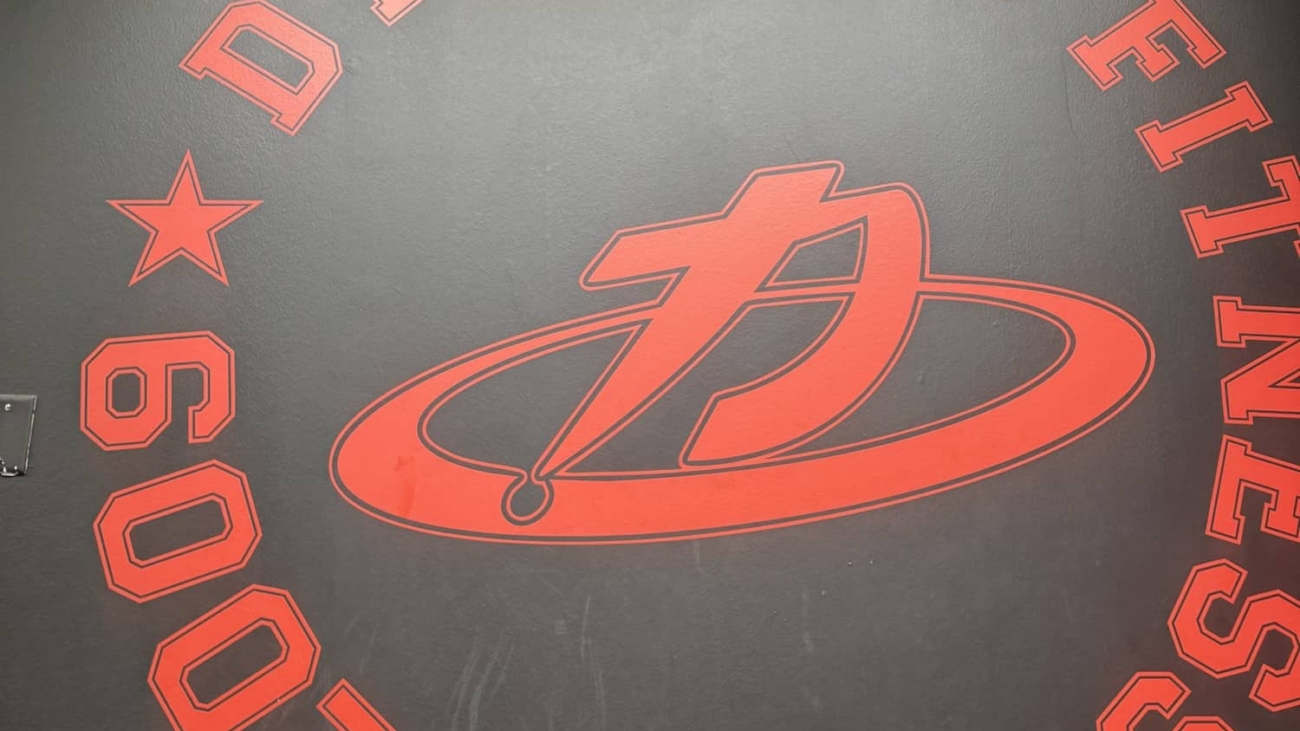
After more than ten years, I officially gave up my membership with Dynamic Fitness. It wasn’t just any membership—it was a lifetime rate of $20 per month, something almost unheard of today. Truth be told, I haven’t used the gym much in recent years because I was always traveling. But I kept it—not out of necessity, but out of principle. It was my small way of supporting a local business that had once provided value, community, and consistency in my life.

But times change—and so must businesses.

Across the board, we’re witnessing a fundamental shift in how companies operate. Rising operational costs, global economic pressures, supply chain disruptions, inflation, and labor challenges are forcing businesses—large and small—to reevaluate their models just to stay afloat.

Take Southwest Airlines, long known for its customer-friendly policies like free checked bags. Even they have faced mounting pressure to adjust pricing structures and ancillary fees to remain competitive in an increasingly volatile market. Similarly, companies like Netflix have steadily increased subscription prices, while Amazon has raised Prime membership fees. Even everyday names like McDonald’s and Starbucks have had to incrementally increase prices, reflecting higher costs in labor, logistics, and raw materials.

This isn’t about greed—it’s about survival.

Small businesses feel this pressure even more acutely. Unlike large corporations with deep reserves, they operate on thinner margins and must make difficult decisions to remain viable. What once worked a decade ago simply doesn’t sustain in today’s economic environment.

So today wasn’t just about canceling a gym membership—it was a reflection point.

A reminder that loyalty, value, and economics are constantly in motion.

A reminder that behind every price increase or policy change, there are real decisions being made to keep doors open, people employed, and services available.

And perhaps most importantly, a reminder that adaptation is not optional—it’s necessary.

Here’s to the businesses that evolve, endure, and continue to serve… even when the math no longer makes sense the way it once did.

img_7631

Gibraltar, My Final Stop in Europe

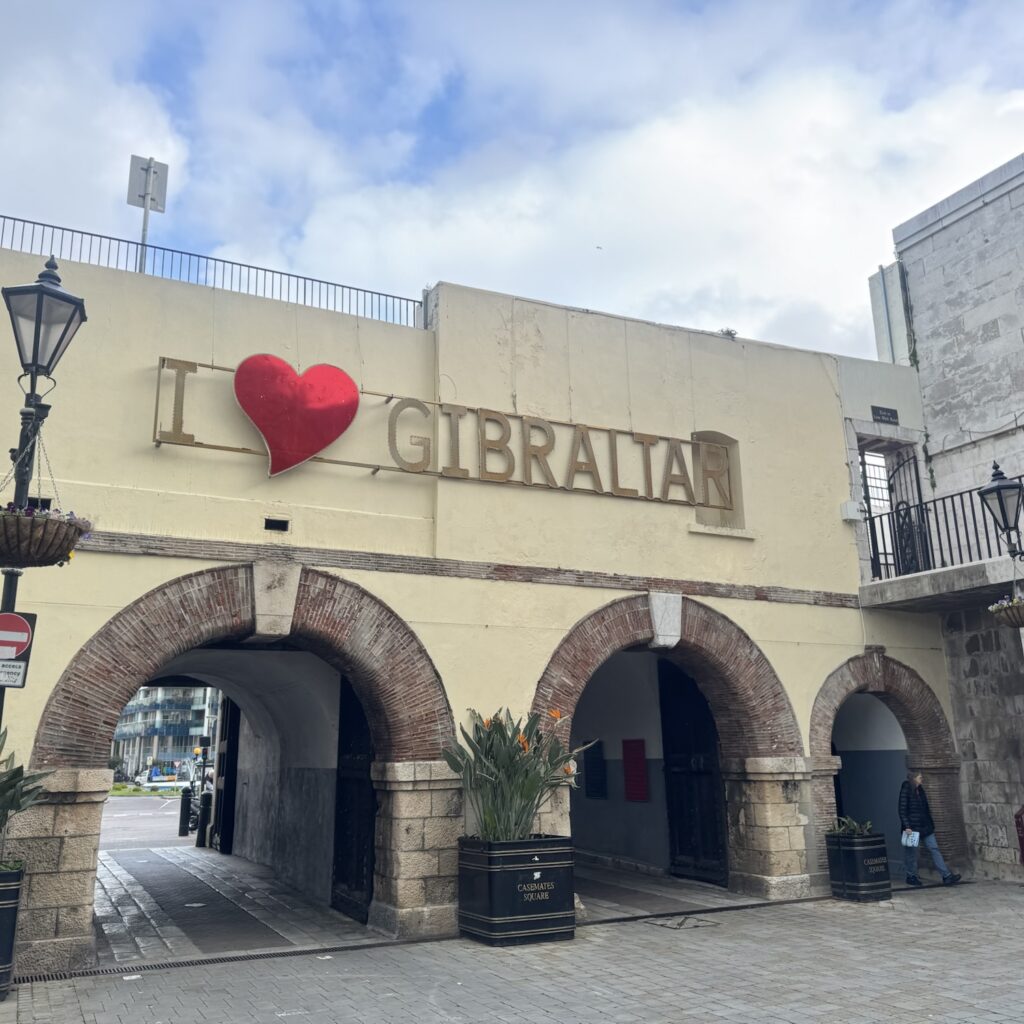
Today I’m in Gibraltar—my final stop in Europe before I set sail across the Atlantic back to the Americas. Standing at the edge of this small but powerful place, where two continents almost shake hands, I’m reminded how connected this world really is. Gibraltar may be tiny on the map, but its history, its energy, and its views are larger than life. I had an incredible time exploring every corner of it.

And here’s where it gets interesting…

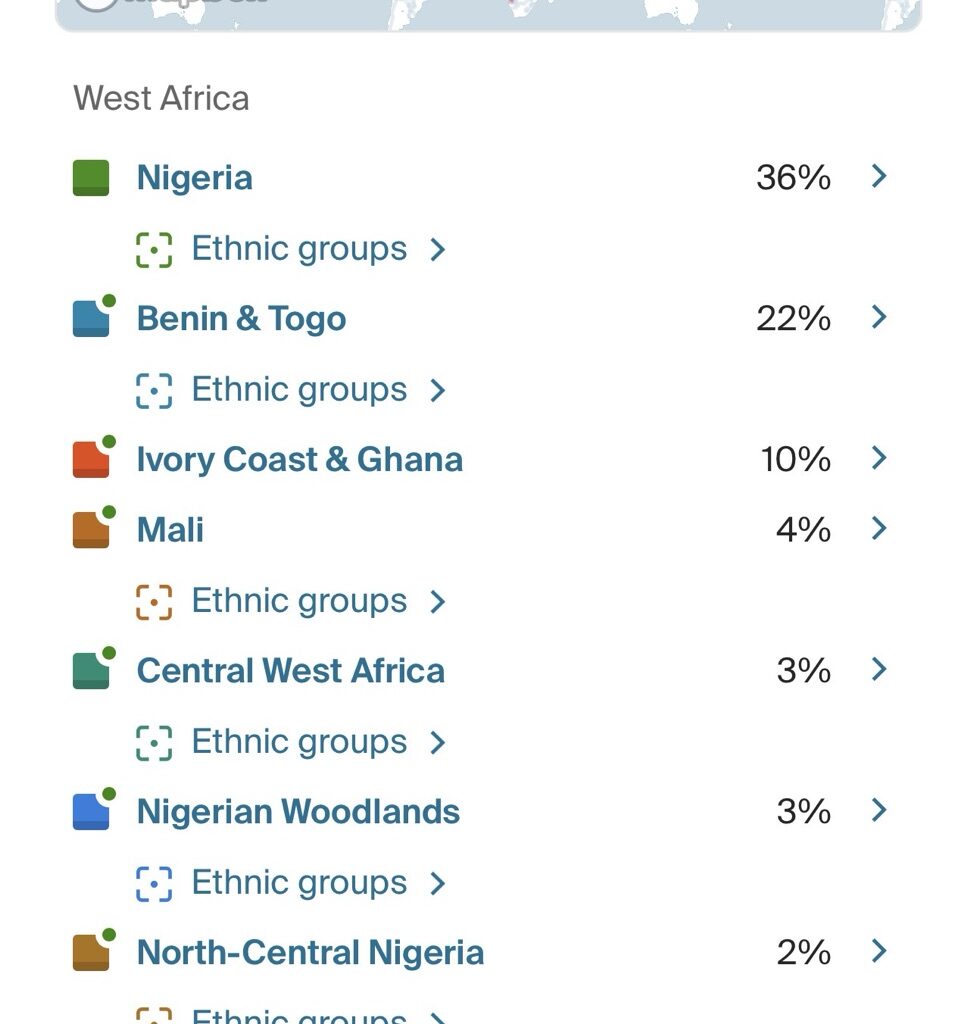
I got my DNA results back while standing at the gateway between Europe and Africa. Turns out I’m 36% Nigerian. I always knew my roots traced back to West Africa, but I thought Ghana had me on lock—Nigeria came in like, “Plot twist!” 😆

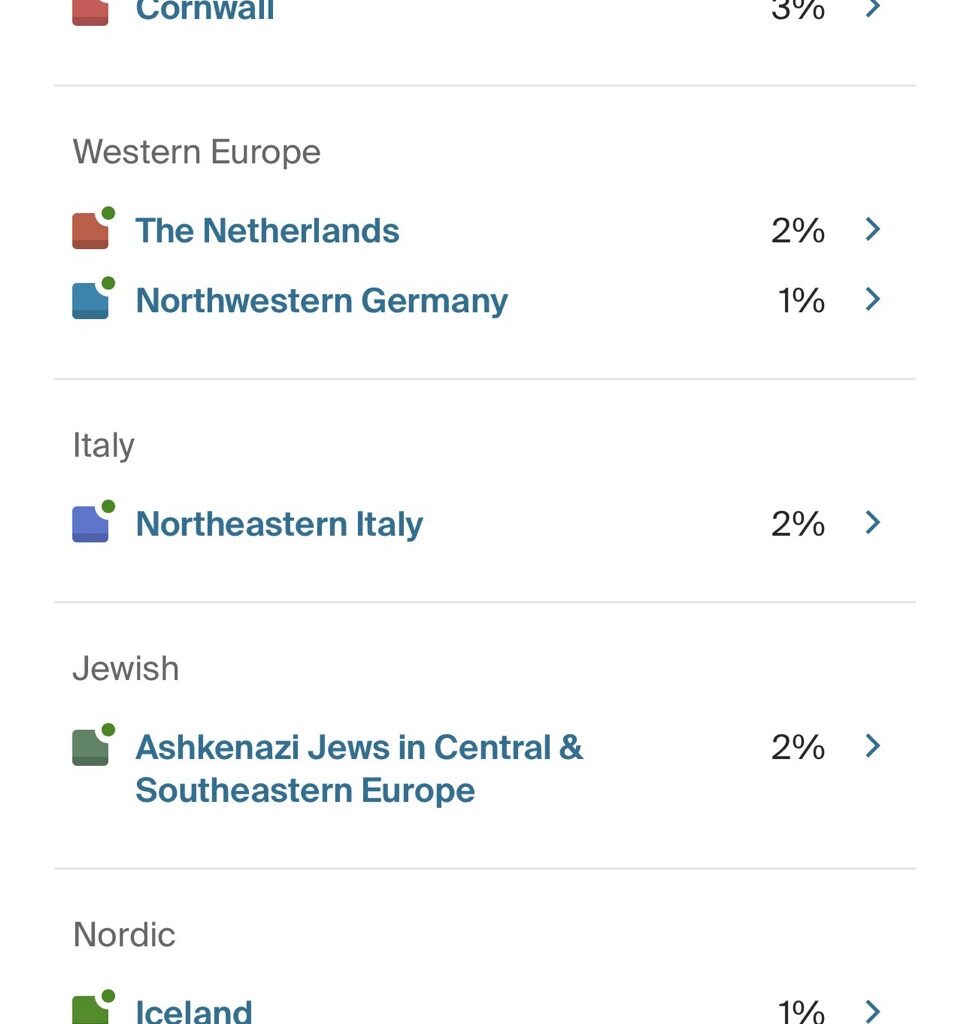
And then… 2% Jewish. So now I’m out here like, do I get invited to two cookouts AND a Hanukkah dinner? I’m just trying to figure out if I should bring jerk chicken, jollof rice, or latkes to the family reunion 🤣

But on a real note, moments like this make you reflect. Most people don’t realize that, if you trace it back far enough, we all come from Africa. Over time, through evolution, migration, and adaptation, we became the beautifully diverse world we see today—different cultures, colors, languages… but one shared origin.

Standing here in Gibraltar, looking out across the water toward Africa, it doesn’t feel distant—it feels like a full-circle moment.

Life is a journey, not a destination. And sometimes, that journey brings you right back to where it all began.

#LiveLikeFriday #Gibraltar #FullCircle #DNAJourney #WestAfrica #Nigeria #TravelLife #OneWorld

20170607_184354_001_original

Did Millennials Get a Raw Deal? The Most Tested Generation—and Why They’re Built to Win

Let’s talk about it honestly.

I’ve got a front-row seat—my son is 38, right in the heart of the Millennial generation—and I’ve watched this story unfold in real time. If there’s one conclusion I’ve come to, it’s this:

Millennials didn’t just face challenges… they faced a perfect storm. A Generation That Graduated Into Chaos.

Many Millennials graduated high school around 2007–2010. Sounds normal, right? Except it wasn’t.

They stepped straight into the 2008 global financial crisis, the worst economic downturn since the Great Depression. Unemployment in the U.S. peaked around 10%, but for young adults, it was significantly higher. Entry-level jobs disappeared. Hiring froze. Opportunities dried up.

And here’s the part people don’t always talk about: Many Millennials did exactly what they were told to do—

Go to college. Get a degree. Follow the “safe path.”

Instead, they graduated with record levels of student loan debt—often $30K, $50K, even $100K+—only to find themselves underemployed or unemployed.

That’s not just bad luck… that’s structural timing. The Bottleneck Nobody Saw Coming

During the recession, Baby Boomers delayed retirement.

Not because they wanted to—but because they had to. Their retirement accounts took a hit, home values dropped, and financial security became uncertain.

So what happened?

They stayed in the workforce longer. That created a ripple effect: Fewer promotions. Fewer openings. Slower career progression.

Gen X felt the squeeze… but Millennials, trying to enter the workforce, got hit the hardest.

It was like showing up to a game where all the seats were already taken.

Finally Gaining Momentum… Then COVID Hit

By the late 2010s, things were starting to stabilize. Careers were finally taking off. Debt was slowly being managed. Life was beginning to level out.

Then 2020 happened.

COVID-19 shut the world down.

Entire industries paused overnight—travel, hospitality, events, service sectors—many of which employ a large percentage of Millennials.

Once again:

Career paths disrupted Financial progress stalled Life plans delayed

Two once-in-a-generation crises… back-to-back.

The Hidden Cost: Delayed Life Milestones. Because of these disruptions, Millennials have:

Bought homes later Started families later Built wealth later. Not because of poor choices—but because of timing.

When you’re constantly recovering instead of advancing, progress looks different.

But Here’s the Truth Nobody Can Ignore…Pressure builds resilience.

And this is where Millennials flip the narrative.

This is one of the most adaptable, resourceful, and balanced generations we’ve ever seen.

Why?

Because they lived through both worlds: Before smartphones and social media And fully inside the digital revolution

They understand:

Face-to-face communication and digital fluency Traditional work structures and remote, flexible systems Stability and uncertainty

They didn’t just learn how to survive change—

They became experts at navigating it.

The Rise of the Resilient Generation

Millennials helped drive:

The gig economy Remote work culture Digital entrepreneurship Side hustles and multiple income streams

They questioned outdated systems and forced industries to evolve.

And now?

They’re stepping into leadership roles with a perspective shaped by experience—not entitlement.

Live Like Friday Perspective

Here’s how I see it:

Millennials may have gotten a raw deal, but they also got forged in fire.

And there’s something powerful about a generation that: Knows struggle Understands change And still finds a way forward. Because at the end of the day, life doesn’t guarantee smooth paths—it rewards resilience.

So no, this isn’t a sympathy post.

It’s recognition. Respect. And a reminder: Sometimes the most tested generation becomes the most prepared.

Final Thought

You can look at Millennials and say they got unlucky…Or you can look again and realize: They didn’t get a break—so they built strength instead.

And in today’s world?

That might be the ultimate advantage.

#LiveLikeFriday

img_2863

Is Cruising the best value when vacationing?

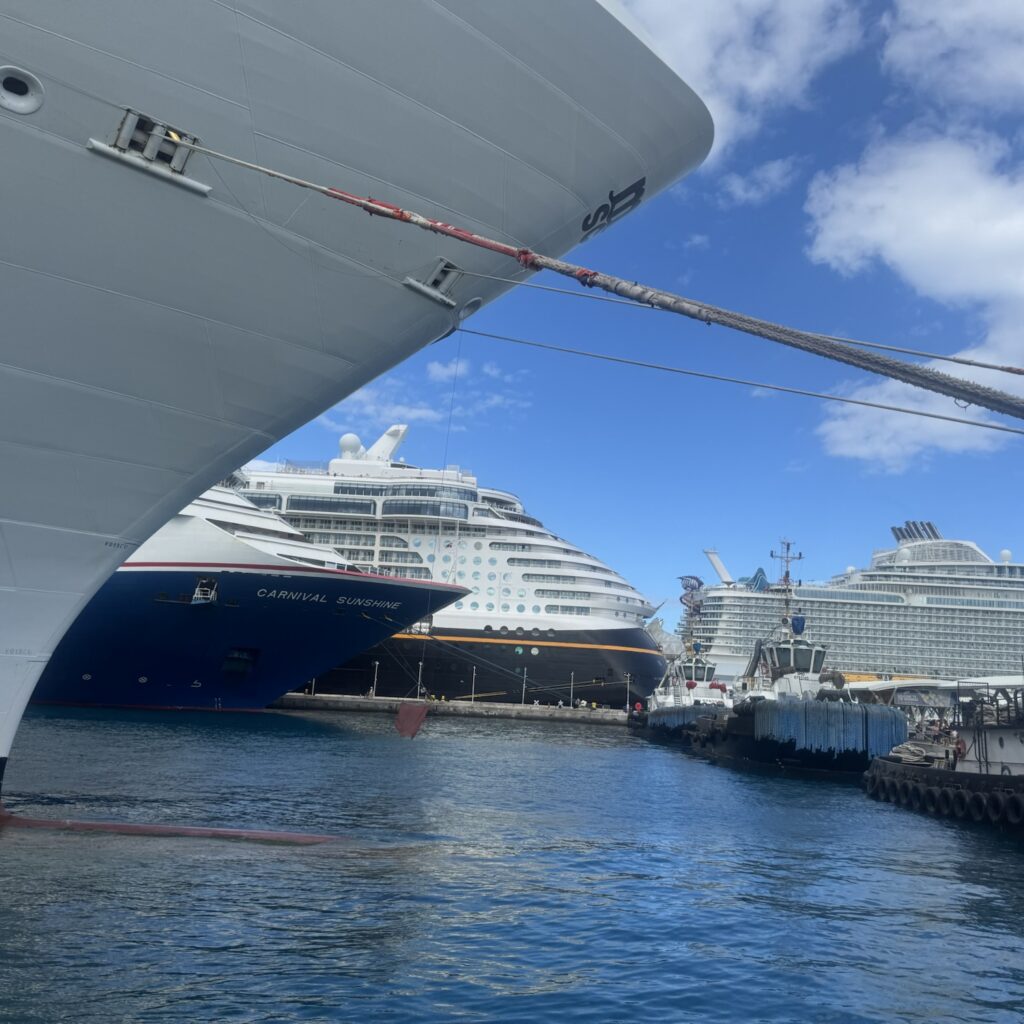
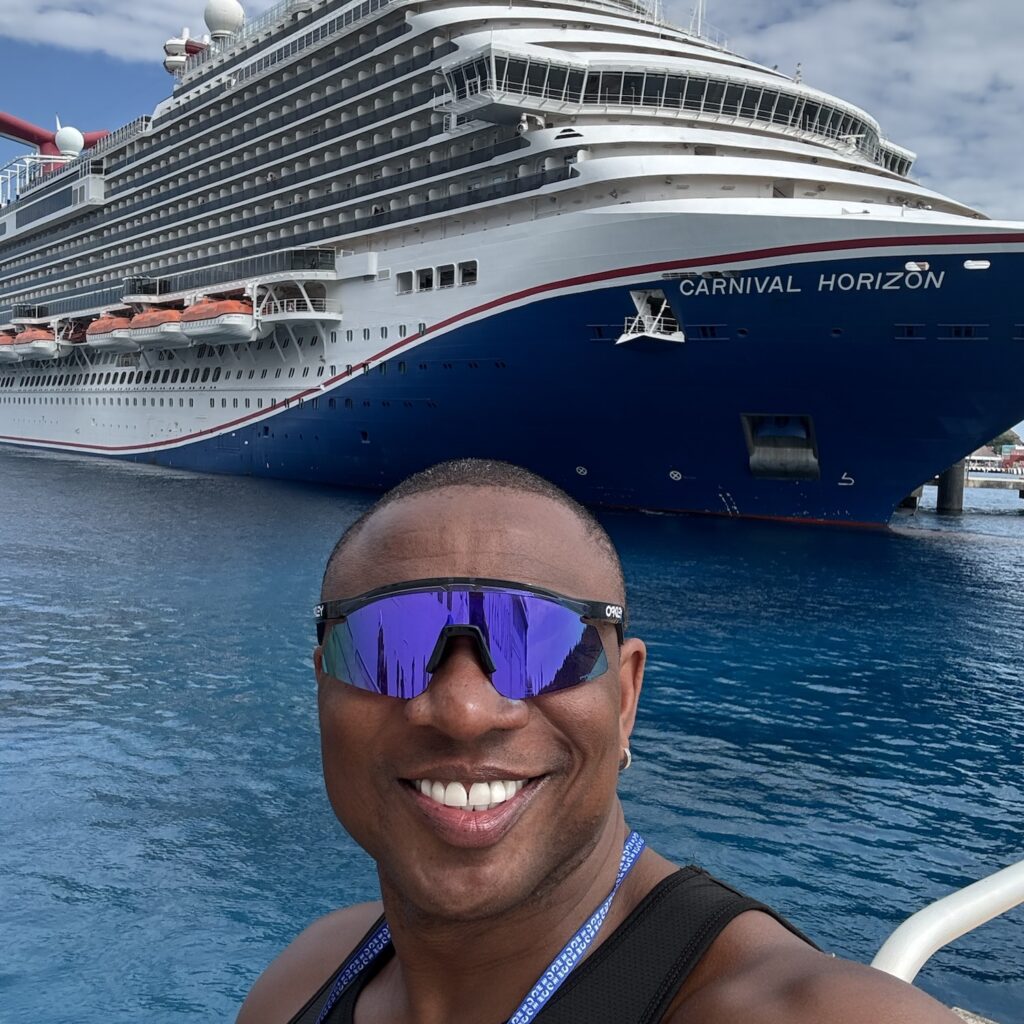
Despite the rising costs and all the little “nickel and dime” add-ons, I still stand by this—cruising is hands down the best overall value in travel.

Let’s keep it real… prices have gone up everywhere. Flights, hotels, restaurants, entertainment—nothing is cheap anymore. But cruising still bundles more into one experience than any other type of vacation.

Think about it:

You’re getting transportation, lodging, food, entertainment, and access to multiple destinations—all wrapped into one price point. Try booking a flight, hotel, meals, shows, and transportation separately in 3–5 different cities and tell me how that compares. It doesn’t.

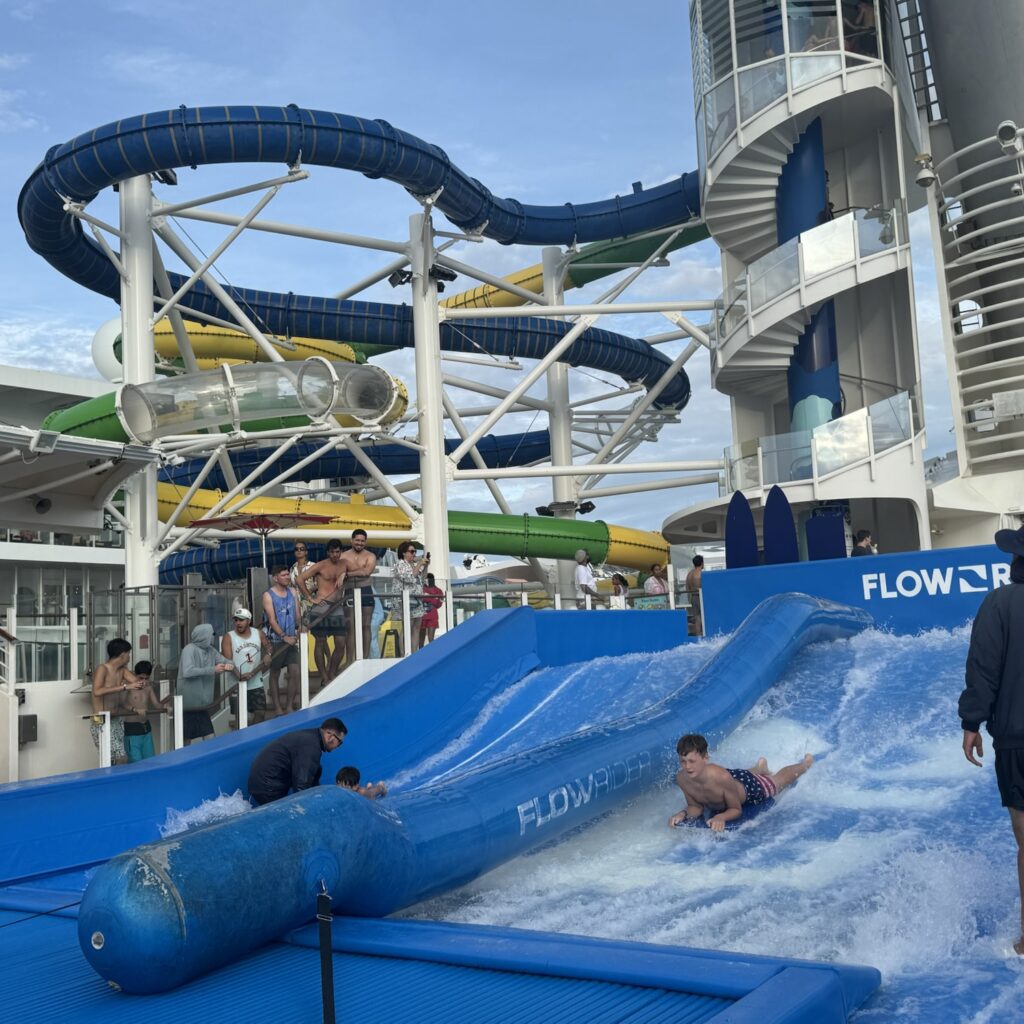
On a cruise: Your “hotel” moves with you You unpack once but visit multiple countries Meals are included (and not just basic—full dining experiences) Entertainment rivals Vegas shows Pools, gyms, activities—all included And you wake up somewhere new without the stress of airports, taxis, or logistics

Even with the extras—WiFi, specialty dining, excursions—you still have control over your spend. You can go all-in or keep it budget-friendly. That flexibility is power.

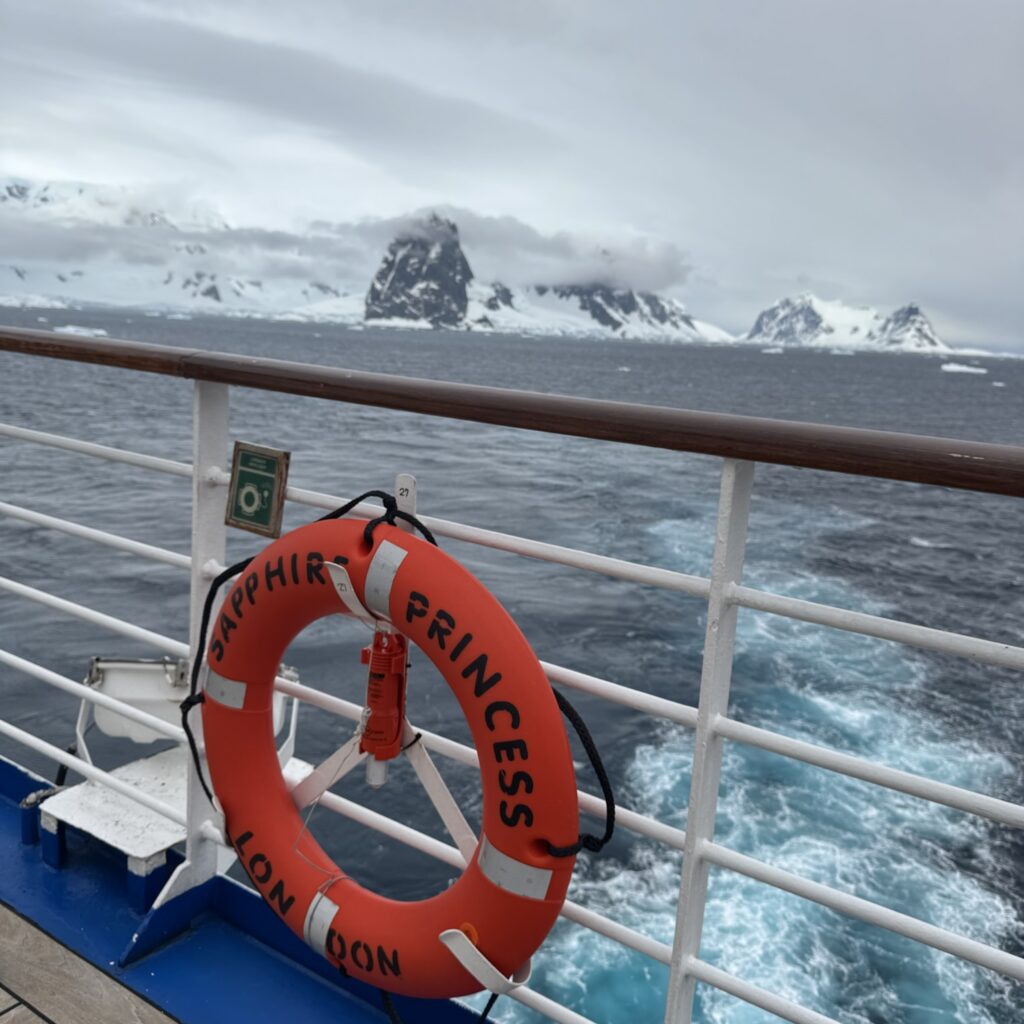
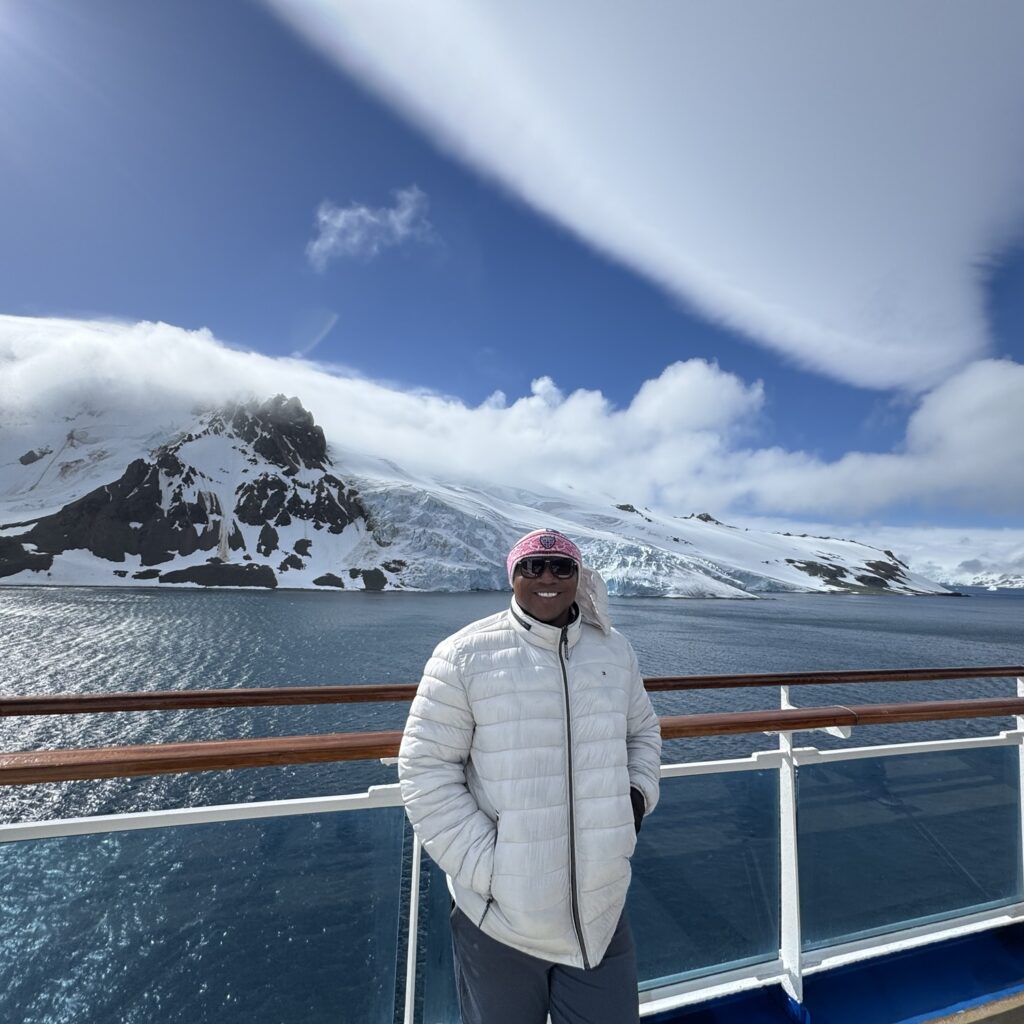
Sapphire Princess in Antarctica

And let’s not forget the intangible value: Time, convenience, and peace of mind. No planning chaos. No constant packing and unpacking. No worrying about “what’s next.” You get to actually relax and enjoy the journey—not just the destination.

For me, cruising isn’t just a vacation… it’s a lifestyle. It’s efficiency, adventure, and freedom all rolled into one.

Sapphire Princess in Antarctica

Bottom line: In a world where everything is getting more expensive, cruising still gives you the most bang for your buck—and the most memories per dollar.

#LiveLikeFriday

#CruiseLife

#ValueTravel

#MoreForLess

img_3649

The European Union Explained

A lot of people ask me while I’m traveling here: How many countries are actually in Europe?

2024 Olympics in Paris, France

Europe has about 44 countries, but only 27 of them belong to something called the European Union — the EU.

The EU is basically a partnership where these countries work together on trade, travel, and economic policies. It was created after World War II to help keep peace in Europe and strengthen their economies.

One of the biggest benefits is open borders. Once you’re inside much of Europe, you can move between countries almost like moving between states in the U.S. — no passports, no visas. It also creates one of the largest economies in the world.

Brussels, Belgium

But not everyone loves it. Some countries feel the EU creates too many regulations and takes away some national independence.

That’s exactly why the United Kingdom left the EU in 2020, a move known as Brexit.

Another interesting part is the Euro, the shared currency used by 20 European countries, which makes traveling and doing business across Europe much easier.

So as I travel across this incredible continent, what you’re really seeing is something unique in the world — many different cultures, languages, and histories… working together as one economic community.

Warsaw, Poland

And that’s one of the things that makes Europe so fascinating.

Now let’s go explore… because around here we Live Like Friday. 🌍✈️

Screenshot

My Journey “Home”

Good morning from Vilnius 🇱🇹

In a few hours I’ll be leaving this beautiful city and hopping on a bus headed to Warsaw 🇵🇱. One more chapter in the journey.

A friend recently asked me, “Lawrence, when are you coming home?”

My answer was simple: Wherever I am in the world at that moment… that’s home.

Home, to me, isn’t a building or an address. It’s a mindset. It’s waking up in a different city, walking streets filled with history, meeting new people, learning new cultures, and realizing just how incredible this world really is.

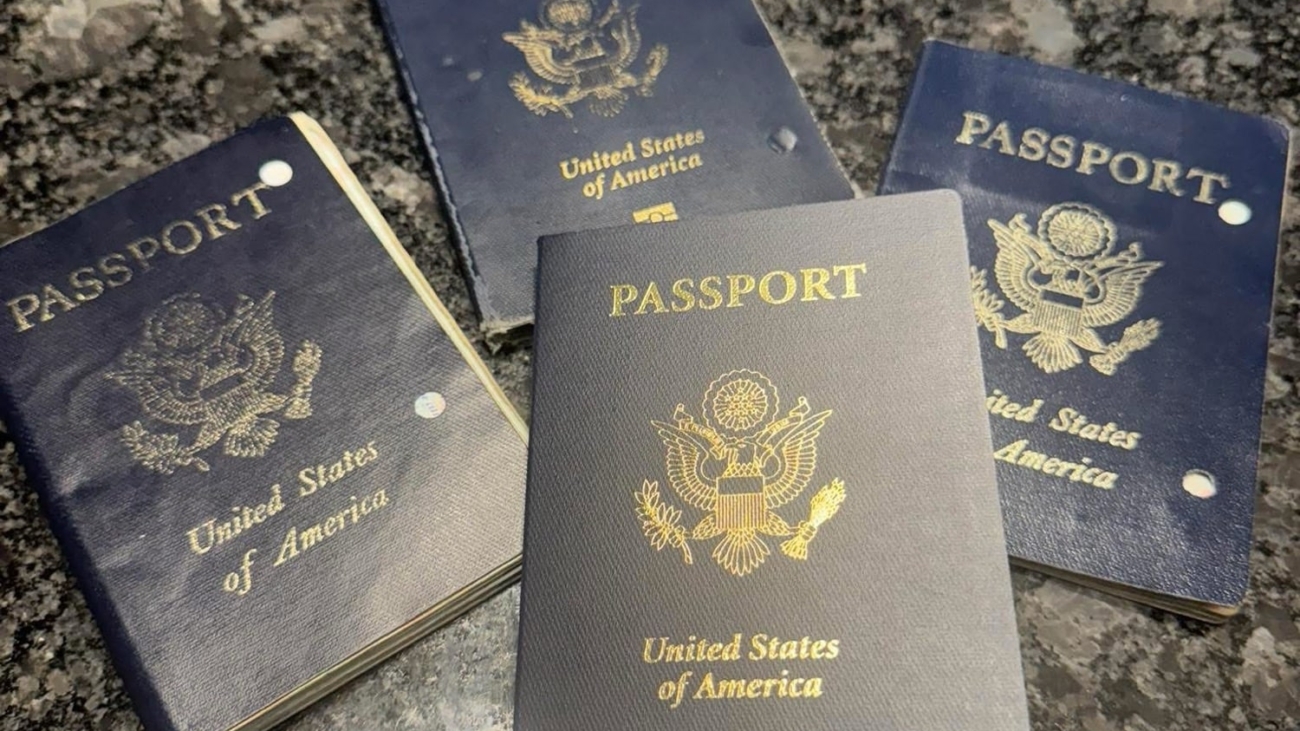
Everything I truly need right now fits inside my 40-liter backpack. A few shirts, a pair of shoes, my laptop, and a passport. Every couple of days I wash my clothes, rotate them, and keep moving. Simple life… but a very happy one.

Today’s adventure is a simple $30 bus ride across another border and probably a $25 hostel tonight. Some people might see that as roughing it. I see it as freedom.

I’ve learned something important over the years: happiness isn’t tied to how much money you have or how big your house is. Whether I have millions or very little, my attitude about life stays the same. Experiences will always mean more to me than possessions.

Life is temporary. Time is the one currency we spend every day that we can never earn back.

So I choose experiences over things, memories over materials, and the open road over staying still.

The world is home… and I’m just enjoying every mile of the journey.

#LiveLikeFriday 🌍✈️

IMG_6426

Saying Goodbye to Riga

This morning I’m taking the bus and will be heading south to my final Baltic country — Vilnius, Lithuania. That means it’s time to say goodbye to the beautiful city of Riga, Latvia.

Old Town

And what a fantastic few days it has been.

I walked the cobblestone streets of Old Town, admired buildings dating back to the medieval trading days of the Hanseatic League, rode the tram in the wrong direction (twice 😆), got completely lost… and somehow still found the best little cafés and conversations with locals along the way.

Riga is one of those cities that quietly surprises you — a place where 800 years of history, Gothic cathedrals, Art Nouveau architecture, and modern Baltic energy all blend together in one beautiful place.

Next stop: Vilnius, the last piece of my Baltic puzzle.

If all goes well, after that I’ll attempt to grab a visa and head to Minsk, Belarus… then continue the adventure through Warsaw, Poland, and Malta before making my way back to Barcelona to jump on the Carnival Dream on 21 March for the voyage back to Houston.

From the Baltic Sea… back to Texas.

One bus ride, one city, one story at a time.

Live every day like it’s Friday. 😎✈️