
 Cart is empty
 Yesterday, after an incredible five-day journey exploring the breathtaking landscapes of Switzerland, the beautiful country of Liechtenstein, and parts of Italy, I returned my Hertz rental vehicle in the same physical condition in which I received it.
A few hours later, however, I was blindsided by an email from Hertz falsely alleging that the vehicle had sustained damages and demanding an additional charge of $660 USD (570 CHF).
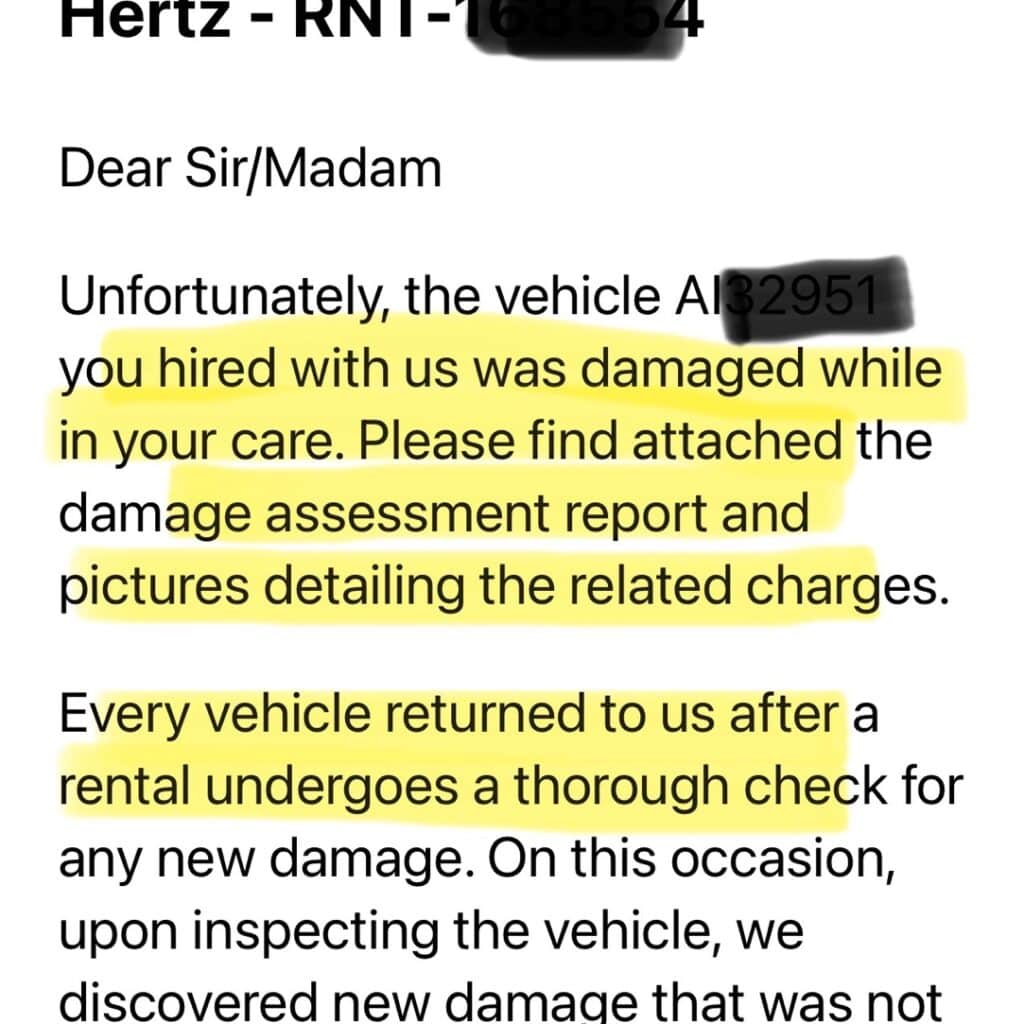
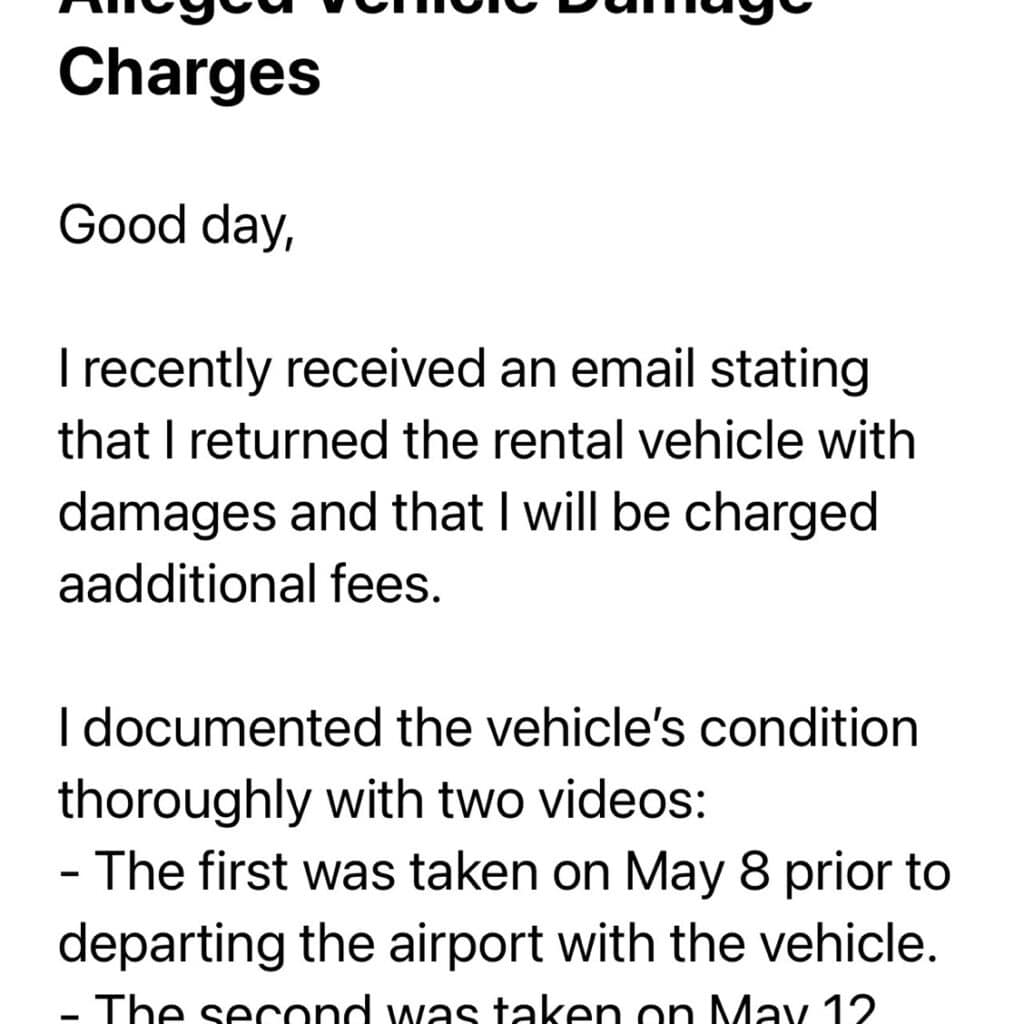
Fortunately, I believe in protecting myself while traveling. Before leaving the rental lot, I conducted and recorded a full video inspection of the vehicle, and I repeated the same process immediately upon returning it. Both videos clearly proved that there was no damage to the vehicle before or after my rental period.
I immediately disputed the charges and formally demanded that Hertz provide legitimate evidence of the alleged damages.
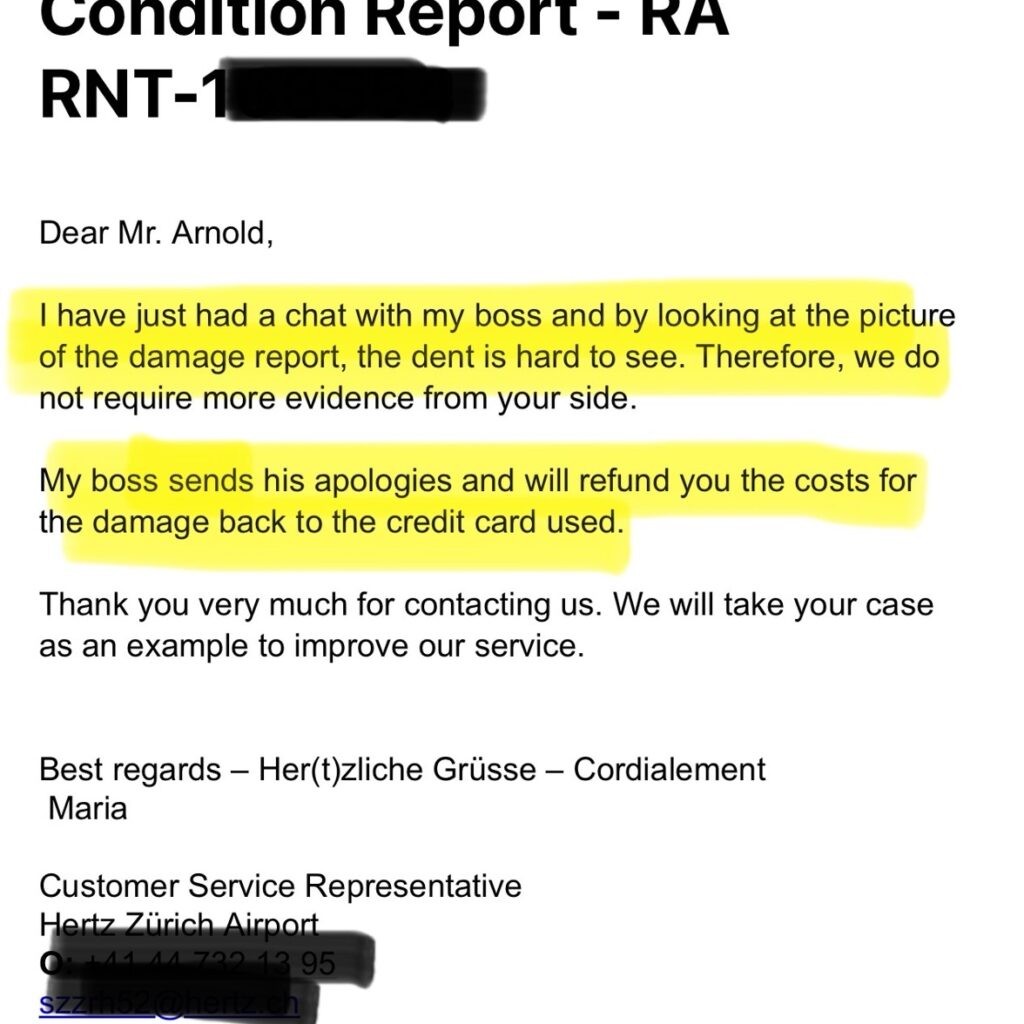
Today, Hertz responded with an apology for the inconvenience, acknowledging that the alleged damages were either too minor to substantiate or insufficient to support their claim. As a result, all charges were dismissed, and every deducted amount was fully refunded.
While I appreciate Hertz ultimately making the correct decision, this experience raises serious concerns about the broader practices within parts of the rental car industry—particularly when travelers are in foreign countries and may find it difficult to challenge questionable claims from afar.
Too often, customers may feel pressured to pay fraudulent or exaggerated fees simply because disputing them internationally can be stressful, time-consuming, and intimidating.
The lesson here is simple but critical:
Always document your rental vehicle thoroughly before and after use.
Photos and videos can be your greatest protection against false claims, unnecessary financial losses, and unethical corporate practices.
Travel smart.
Protect yourself.
Hold companies accountable.
In today’s travel environment, vigilance is not optional—it is essential. Sometimes, the difference between losing hundreds of dollars and successfully defending yourself comes down to one simple action: pressing “record.”